
The Thrill of Chance
The allure of casinos lies significantly in the excitement of chance. Players are drawn to the unpredictability of games, where every spin of the roulette wheel or pull of the slot lever can lead to monumental wins. This thrill activates the brain’s reward centers, releasing dopamine, which creates feelings of pleasure and satisfaction. Many players also enjoy playing online slots as they seek out diverse gaming experiences. The prospect of winning big often overshadows the odds, making players more willing to risk their money in pursuit of that rush.

This thrill-seeking behavior can often be attributed to the psychology of gambling, where players enter a state of flow. In this state, they become engrossed in the game, often losing track of time and their surroundings. This immersion is enhanced by the sensory stimulation found in casinos, such as flashing lights and engaging sounds, which further amplify the excitement and urge to play.
The Role of Cognitive Biases
Cognitive biases significantly influence how players perceive their chances of winning. One common bias is the illusion of control, where players believe they can influence the outcome of a game through skill or strategy, even in predominantly chance-based games. This feeling of control can lead to increased engagement and prolonged play, as individuals convince themselves that they can turn their luck around.
Additionally, the gambler’s fallacy—believing that past events affect future outcomes—fuels continued play. For instance, if a player notices a particular slot machine hasn’t paid out in a while, they may feel it’s “due” for a win. Such misconceptions can lead to chasing losses, causing players to bet more in hopes of recovering their previous expenditures, which is often counterproductive.
The Social Aspect of Gambling
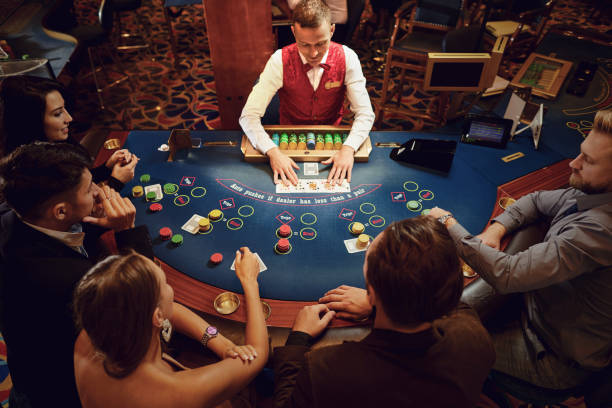
The social environment of casinos plays a crucial role in attracting and retaining players. Gambling often occurs in groups, with friends or strangers sharing experiences and excitement. This communal aspect can enhance the enjoyment of the game, as players celebrate wins together and help each other cope with losses. The vibrancy and energy of a bustling casino can create an atmosphere of camaraderie that keeps players coming back.
Moreover, social influences extend to the emergence of gambling communities online and offline, where players exchange tips, strategies, and experiences. This sharing of knowledge not only fosters a sense of belonging but also nurtures a collective mythos around winning strategies, further enticing players to engage in gambling behaviors.
The Impact of Marketing and Casino Design
Casino marketing strategies are finely tuned to exploit psychological triggers. Promotions, bonuses, and loyalty programs entice players to wager more frequently by appealing to their desire for rewards. These strategies can lead to what psychologists call “loss aversion,” where players are more influenced by potential losses than equivalent gains, compelling them to continue playing to avoid losing out on promotions or bonuses.
Furthermore, the design of physical casinos is meticulously crafted to maximize player retention. The layout encourages exploration and minimizes distractions from the outside world. Many casinos lack clocks and windows, creating an environment where players can lose track of time and remain engaged longer, ultimately increasing their chances of spending more money.
Prioritizing Safety and Security in Online Gaming
In the realm of online casinos, ensuring player safety and security is paramount. Websites prioritize measures to protect users from potential threats, fostering a secure environment where players can enjoy their gambling experience without concerns over fraud or data theft. Such security enhances player confidence, encouraging them to explore different games and features within the platform.
Occasionally, users may encounter access blocks due to protective measures against cyber threats. This is done to ensure the integrity of the online gambling experience. By keeping players informed about these security protocols, casinos help build trust and transparency, allowing players to focus on their gaming experience rather than worry about safety issues. The result is a robust online environment that prioritizes both excitement and user protection.